June 15, 2026
Managing project waste requires thoughtful preparation and a clear understanding of the available disposal options. When undertaking a commercial build, a commercial clearout, or a corporate relocation, securing the appropriate container capacity is a foundational step. Selecting an incorrectly sized bin can quickly lead to project delays, safety hazards, and unexpected expenses that strain an operational budget.
A strategic approach to choosing a dumpster rental involves balancing physical space, material weight, and project timelines. Many project coordinators underestimate the volume or weight of their debris, leading to overfilled bins or the need for multiple hauls. By analyzing your specific requirements before booking a service, you can streamline the disposal process and maintain an organized workspace. The following sections break down the essential steps for assessing your site, budgeting accurately, and managing logistical constraints effectively. Navigating these requirements allows managers to maintain absolute control over daily operational workflows without experiencing unnecessary structural bottlenecks on-site.
Estimating Debris Volume Accurately
Calculating the total volume of waste your project will generate is the first major step in finding the right dumpster rental for your needs. Most temporary bins are measured in cubic yards, which represents the total volume of space available inside the container. For instance, a small 10-yard bin can typically hold the equivalent of three standard pickup truck beds filled with debris. Understanding these spatial translations allows you to visualize how much room your discarded materials will occupy and prevents you from renting a container that falls short of your operational needs.
Thoroughly analyzing the physical dimensions of the container, including its length, width, and wall height, plays a significant role in how efficiently you can load materials. Some large projects involve bulky, long items that require maximum length, while other jobs generate dense, heavy waste that necessitates a container with lower walls for easier manual loading. It is also vital to account for the specific weight restrictions associated with each container size. Exceeding these weight thresholds can lead to transport safety hazards and significant financial penalties from the hauling service, making an accurate initial weight and volume assessment essential for the broader success of your logistical plan.
Evaluating Material Characteristics Safely
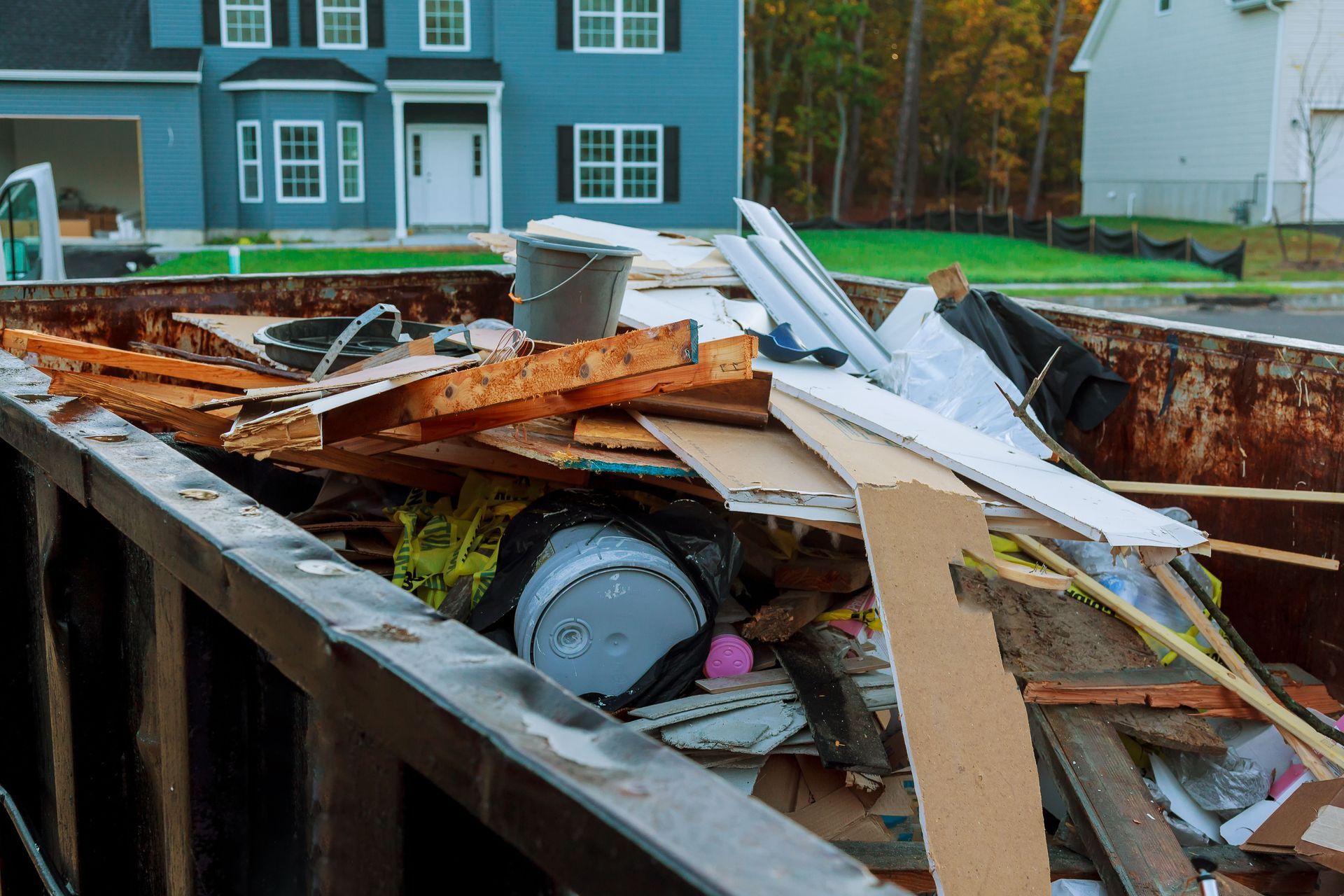
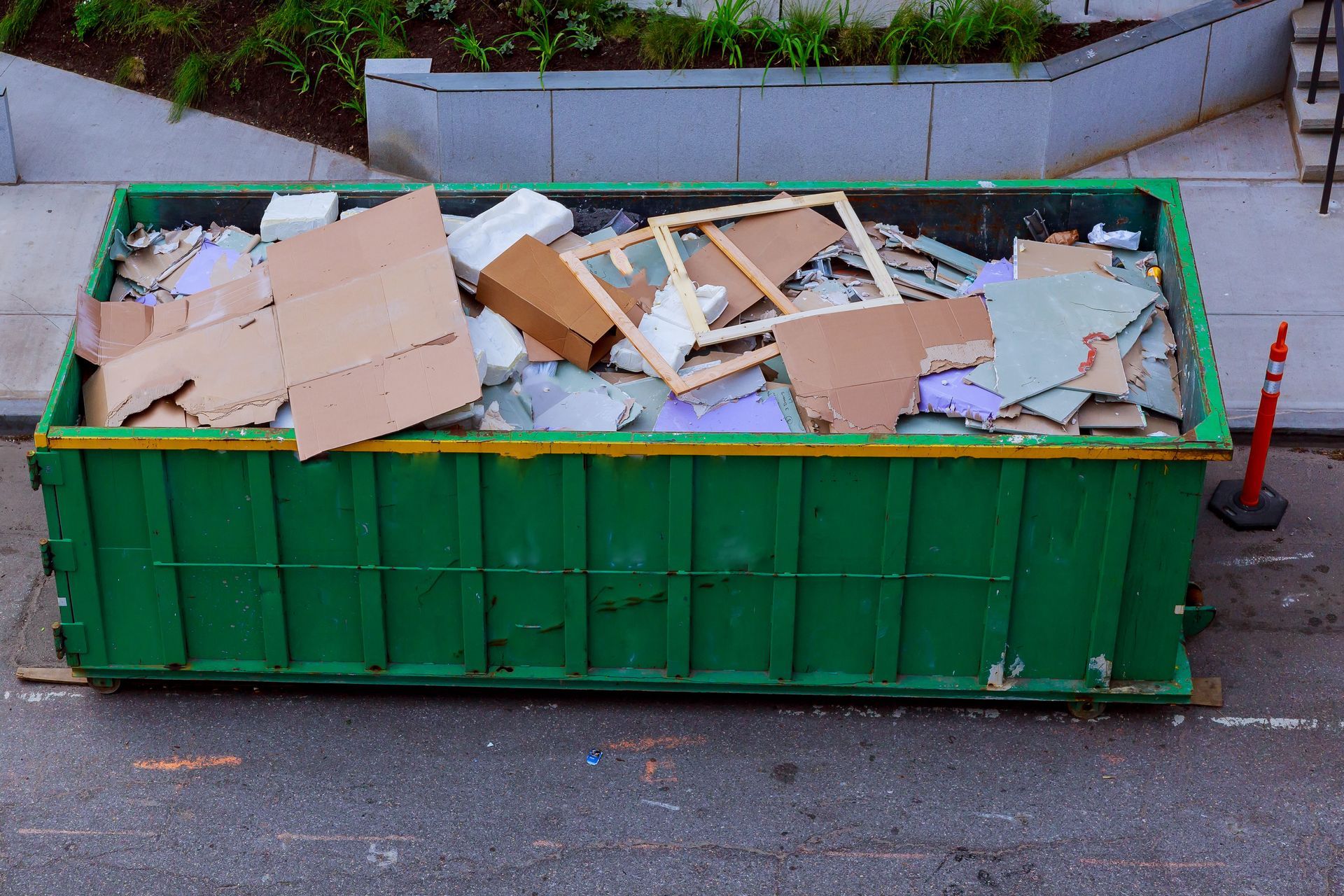
The nature of the materials you intend to discard heavily influences the container size and type required for your project. Light, bulky waste such as cardboard, old office furniture, and dry ceiling tiles occupies a large amount of physical space but carries relatively little weight. Conversely, materials like concrete, brick, asphalt, and dense soil are incredibly heavy even in small quantities. If your project generates high-density masonry debris, you will generally need a smaller, specialized container designed to handle heavy loads without exceeding highway transport weight laws.
Local environmental regulations and provider policies also strictly dictate what types of waste can be placed into a single container. Many service providers require the segregation of certain materials, such as separating organic yard waste or clean concrete from general mixed trash. Hazardous substances, electronic waste, and liquid chemicals are universally prohibited from standard mixed waste containers due to safety and legal restrictions. Identifying these material categories early ensures you choose a container configuration that keeps your job site compliant with all environmental standards and local municipal statutes.
Managing Project Budgets Strategically
A successful waste management plan requires a transparent breakdown of all costs associated with the containment service. Base rental rates typically cover a specific delivery window, a set rental duration, and a predetermined weight allowance. To maintain strict budget control, project managers must compare these base rates across different container capacities to determine the most cost-effective option. Selecting a slightly larger bin than initially estimated is often more economical than paying for multiple hauls or facing unexpected overage fees.
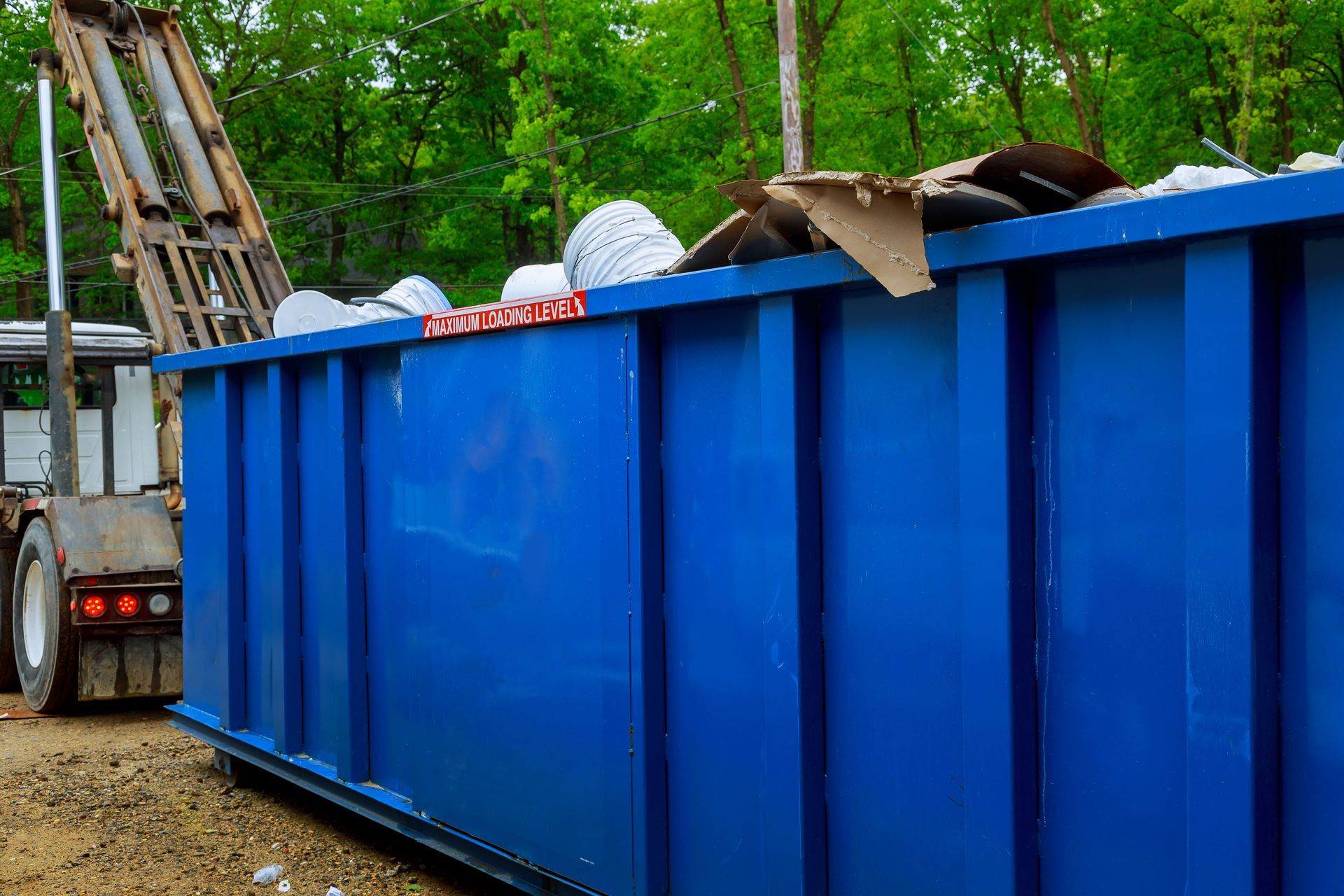
Financial risks often arise from a lack of familiarity with potential surcharges, such as overfilling fees or prohibited item fines. Container levels must never exceed the top rim of the structure, as loose debris creates severe hazards during highway transportation. If a container is overfilled, the driver may refuse to haul it, resulting in dry run charges and project delays while your team removes the excess material. By understanding the pricing structure, weight caps, and potential penalties upfront, you can allocate your financial resources wisely, minimize overall project waste, and avoid sudden expenses that impact profitability.
Assessing Placement Logistics Carefully
Before a delivery vehicle arrives at your location with your dumpster rental, you must thoroughly evaluate the physical space where the container will sit. The designated drop-off zone must have sufficient ground clearance, a stable and level surface, and enough overhead room to accommodate the raised bed of a heavy roll off delivery truck. Placing a large steel container on asphalt or soft ground can cause structural damage, so preparing the surface with wooden planks or selecting a concrete drop zone is highly recommended.
Spatial constraints extend beyond the immediate footprint of the container to include the access paths utilized by delivery and pickup vehicles. Tight alleyways, low-hanging tree branches, overhead power lines, and crowded parking lots can all prevent a successful delivery. Additionally, placing a container on a public street, sidewalk, or right of way usually requires securing a formal permit from local municipal authorities. Verifying these spatial limits and regulatory requirements beforehand prevents logistical gridlock, protects local infrastructure, and ensures a smooth delivery process.
Prioritizing Sustainability Responsibly
Modern waste management involves a strong commitment to environmental stewardship and resource conservation. Many contemporary projects aim to minimize their landfill impact by implementing strict waste diversion and recycling protocols. Selecting a service provider that offers dedicated recycling containers for wood, metal, or concrete allows your organization to divert tons of usable material away from local landfills. This sustainable approach not only preserves natural resources but can also help your project qualify for green building certifications. By leveraging the tips and advice shared, you can confidently navigate the complex landscape of dumpster rentals in the growing sector of the Dumpster Rental industry in the United States, growing at a CAGR of 5.7% between 2020 and 2025, according to IBISWorld. Incorporating structured recycling practices into your daily operations establishes a framework for long-term environmental compliance. When you prioritize responsible sorting and size matching, you reduce the carbon footprint of your project while demonstrating corporate civic responsibility. Selecting an environmentally conscious partner ensures your waste is handled while adhering to the highest ecological standards.
Optimizing your project logistics requires careful attention to detail, proactive site planning, and a clear understanding of your material volume. Selecting the proper containment size prevents costly operational delays, protects your job site from safety hazards, and ensures compliance with local municipal laws. By evaluating your space constraints and material weights ahead of time, you establish an efficient, organized workflow that keeps your entire project on schedule and within budget. When you are ready to secure a reliable, professional waste management solution tailored specifically to your upcoming project, partnering with an experienced provider is essential. National On Demand Booking offers streamlined logistics, transparent pricing, and a diverse inventory of containers to support your operational goals seamlessly. Contact Dependable Roll-Off Service today to schedule your next dumpster rental and experience hassle-free waste management designed for your business success. Through open communication and diligent scheduling, your organization can successfully navigate the entire lifecycle of debris elimination while maintaining perfect operational continuity.